

Muktinath Helicopter Tour-3 hours


3 hour Days
Trip Duration
Difficulty
Easy
Activities
Heli Tour
Group Size
minimum 2 People
Max. Altitude
3800m./12467ft.
Destination
Nepal
Best season
Jan - May and Sept - Dec
Nature of Trip
Pilgrimage Tour
Meals
- 1 Breakfast
- 1 Lunch

Transportation
- Private Vehicle
- Helicopter

Highlights of Muktinath Helicopter Tour-3 hours
- Mesmersing vista of Kathmandu Valley and Pokhara City.
- Azaming Bird’s eye view of the biggest stupa in Asia – Boudhanath Stupa.
- Panoramic view of three highest snowcapped mountains above 8000 meters in the world.
- Awesome view of Rupa Tal, Begnas Tal, Fewa Tal, Rupse Waterfall, Kaligandaki River, and Dhumba Lake.
- Fly between the two tallest peaks Mt. Dhaulagiri (7th highest) and Annapurna I (10th highest).
- Aerial view of Ghorepani, Poon Hill Tower, Marpha Village, Jomsom Village (nearest airport of Muktinath), Kagbeni & Muktinath.
- Breathtaking views of Ganesh Himal, Mt. Manaslu, Himalchuli, Annapurna Massifs, Fishtail, Dhaulagiri, Nilgiri & Tilicho Peak.
- Adventurous and easiest Helicopter Yatra to Muktinath Temple.Views of Holy Gandaki River, Jomsom, Kagbeni, and Muktinath Village.
- Holy bath at 108 cold water spouts(108 dhara) and two holy kundas

Need help? Talk to travel expert
Trip Overview of Muktinath Helicopter Tour-3 hours
Have you ever imagined travelling to a place in the mountains where clouds float above you? Imagine standing at 3,800 meters in the Himalayas, surrounded by snow-covered peaks, and witnessing water flow from 108 stone spouts that are thought to be able to atone for all of your sins. For hundreds of years, both Buddhists and Hindus have visited Muktinath, a temple perched on the edge of the globe.Tucked up in the isolated Muktinath Temple in Mustang Valley is unique.
Introduction of Muktinath Temple
Muktinath Temple is located in the Mustang District of Nepal at an elevation of roughly 3,800 meters (12,342 ft) above sea level. It is located in the upper part of the Kali Gandaki valley, directly beneath the Thorong La pass. This location has a long history, dating back over a thousand years and being intertwined into both Hindu and Buddhist traditions.
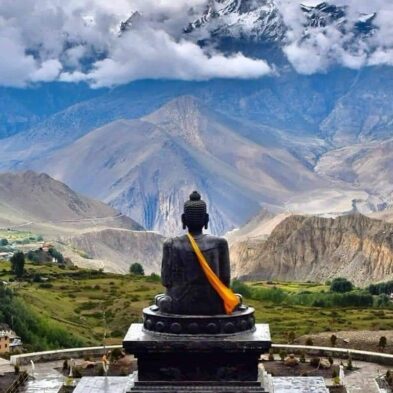
For Hindus, Muktinath is one of the 108 Divya Desams, the most important sanctuaries dedicated to Vishnu worship. It also has the distinction of being a Svayam Vyakta Kshetra, a location where the deity showed itself without human intervention. According to Buddhist tradition, the place is associated with Guru Rinpoche (Padmasambhava), the fabled 8th-century guru who introduced Buddhism to Tibet. He is claimed to have meditated here throughout his travel.
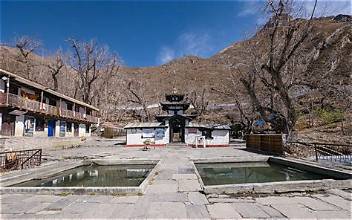
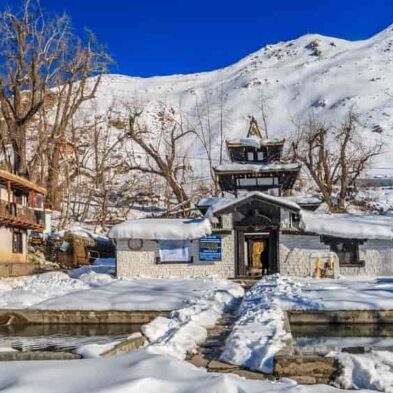
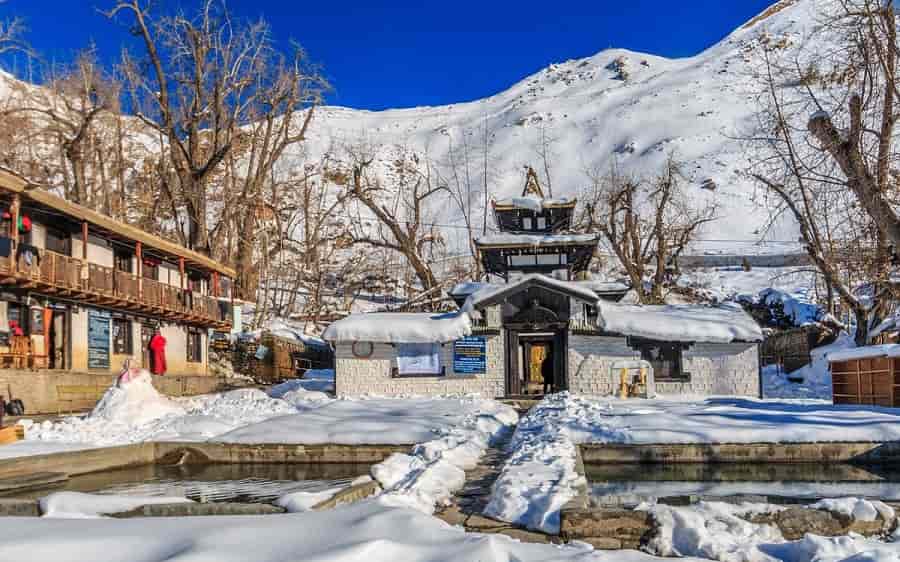
Muktinath Temple is designed in the typical Nepalese pagoda architecture. The main shrine features wonderfully crafted wooden embellishments that have withstood harsh mountain weather for generations. Within this central shrine is a golden-plated statue of Vishnu. Interestingly, Buddhist visitors recognise this statue as Avalokiteśvara, their generous divinity.
Here’s what everyone remembers is the 108 water spouts known as Mukti Dhara. They create a semicircle behind the main temple, and pilgrims walk through, letting the chilly water shower them from each spout.
The trip to Mustang – Muktinath has never been easy because of the rough roads from Pokhara to Muktinath and the ever-changing snowy mountain weather. Muktinath Temple can be reached via hard dirt roads from Beni in the south, or by hiking from the east or north, passing Thorong-La Pass Mountain at 5416 meters. If you have limited time and want to visit Muktinath Temple in a single day, this “Muktinath Helicopter Tour ” may be beneficial to you.
Which is the best time to visit Muktinath?
Muktinath Temple is open year-round for visitors. However, due to its location across the Annapurna Mountain Range and its challenging geographical setting, it’s important to consider the climate before planning your trip.
The best time to visit Muktinath Temple are March, April, May, September, October, and November. During these months, the weather is pleasant with clear skies, offering comfortable temperatures and breathtaking views of the surrounding mountains.
June, July, and August are the monsoon season in Nepal, and it is advisable to avoid visiting Muktinath during these months. Heavy rainfall can cause landslides, potentially blocking the roads to Muktinath, with no guarantee of when the road will reopen. This could result in travel disruptions, including a lack of food and accommodation options.
December, January, and February are the winter months in Nepal. Temperatures at Muktinath can drop to -10 to -15°C. While these months are ideal for experiencing snowfall, if you choose to visit during this time, it’s essential to wear sufficient warm clothing to stay comfortable in the cold weather.
Detail Itinerary of Muktinath Helicopter Tour-3 hours
Day 1: Fly Kathmandu to Muktinath by a Chartered and return back to Kathmandu Helicopter.
 06:00 AM: Pick up from your hotel and transfer to the domestic airport.
- 07:00 a.m.: Fly to Muktinath by a chartered helicopter.
- Muktinath Temple is approximately one hour’s flight from Kathmandu.
- Flight is highly dependent on the weather.
- Enjoy the breathtaking vistas of snow-capped mountains.
- Arrival in Muktinath, with a one-hour ground time for darshan.
- Take a short walk to the Muktinath Temple.
- Take a soak in 108 cold holy waterspouts and two Holy Kundas.
- Change your clothing and perform a pooja at the temple.
- Return to the helipad.
- Fly back to Kathmandu.
- Arrival and transfer to your hotel.
- Our adventure has come to an end!
 06:00 AM: Pick up from your hotel and transfer to the domestic airport.
Includes and Excludes
What is included?
- Airport transfer by a private vehicle.
- Kathmandu/Pokhara to Muktinath and back by a chartered helicopter.
- Annapurna Conservation Area Project Permit (ACAP).
- Airport Taxes.
What is excluded?
- Meals and Beverages.
- Tips
- Accommodations.
- Expenses incurred due to strikes, political unrest, and other natural calamities.
- Rest of all not mentioned in cost include.
Trip Information
Alternative Option
We have another option to reach Muktinath temple that is from Pokhara :
Day 01: Fly to Pokhara and thenafter fly to Muktinath by Charter Helicopter
- At 6 Am Transfer to Airport from your Hotel.
- At 7 Am we will fly from Kathamndu to Pokhara by Areoplane on flirst flight.
- Note: In the morning, all the helicopters will be busy doing mountain flights. So, we need to wait until 10:00 AM for its completion.
- 09:30 AM: Pick up from the hotel and transfer to the airport.
- 10:30 AM: As per the weather conditions fly to Muktinath by chartered helicopter.
- Muktinath is in 30 mins flying distance from Pokhara.
- After landing, 01:00 hr time will be provided to visit the temple and back to the helipad.
- Short walk up to the Muktinath Temple, 7 mins.
- Holy bath at 108 cold water spouts and 2 kundas and Muktinath Darshan.
- Check back to base.
- Fly back to Pokhara., and you have a cionnecting flight to Kathmandu
- Arrival and transfer to the hotel.
- Trip finished with mesmersing memory with you!
Muktinath Temple Opening Time & Darshan Timings
The temple follows a pretty strict schedule:
- Morning: 5:00 AM to 12:00 PM
- Afternoon break: 12:00 PM to 2:00 PM (perfect for lunch!)
- Evening: 2:00 PM to 9:00 PM
Insider tip: Try to be there for the morning aarti at 6:00 AM. The chanting echoing off the mountains as the sun rises is spine-tingling. The evening aarti at 7:00 PM is equally beautiful, especially when the stars start appearing in the clear mountain sky.
Why People visit Muktinath Temple?
People don’t go to Muktinath only for a mountain vacation or to take great pictures. They seek something deeper, something that tugs at the spirit. The temple, also known as Mukti Kshetra, is located high in Nepal’s Mustang area and literally means “the place of liberation.” According to tradition, visiting here brings you closer to liberation from the never-ending cycle of birth, death, and reincarnation.
The Famous 108 Water Spouts (This Will Amaze You)
This is what everyone comes to see – 108 stone-carved bull faces mounted on the wall behind the temple, each one pouring a continuous stream of ice-cold mountain water. Pilgrims believe that bathing under these sacred water spouts purifies the soul and brings liberation from sins.
I’ve watched countless people step under these spouts, and the expression on their faces is always the same – a mixture of shock from the cold water and profound peace from the spiritual experience.
What permits are required to visit Muktinath Temple?
Muktinath Temple is located in the Annapurna Conservation Area Project. So, before going to Muktinath, we need to collect ACAP Permit from Kathmandu or Pokhara. There is a check post at Ghasa, Jomsom, and Muktinath where these permits are checked. If we reach there without this permit, then we need to pay penalties on the spot, which is just double the amount that we pay in Kathmandu and Pokhara. Just now the government has launched an online e-permit. So, no more need to visit the tourism offices. We can directly submit the online form, pay online, and collect the permit.
Frequently Asked Questions
Where does the temple located and its travel access?
Muktinath Temple is located at the laps of snowcapped mountains at Thorong-La pass at an altitude of 3710 meters above sea level in the Mustang district of Nepal. Travel access is a little difficult due to its harsh weather conditions. People can either fly from Kathmandu to Pokhara (25 minutes flight) then to Jomsom (15 minutes flight) and drive to the Temple (1:30 hours) or by roadway to Pokhara (7 hours by bus) to Jomsom (9 hours by jeep) then to the temple. Since, flight to Jomsom is operated in the early morning only, one night stay at Pokhara is a must. Nowadays people can charter a helicopter and easily access this temple in just 1 hour.
How many people are carried by Helicopter?
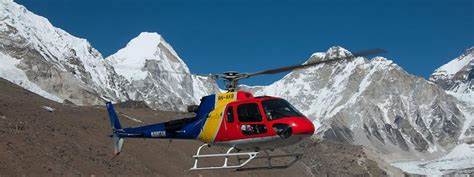
There are four and five seated helicopters available for charter to visit Muktinath Temple. So, it might cost expensive for one or two people and cheaper fare for more people.
What permits are required to visit this temple?
Muktinath temple lies in conservation and trekking zone. So, two permits are required to enter this area. One is Annapurna Conservation Area Project Permit (ACAP) and another is Trekker’s Information Management System Permit (TIMS). It is restricted to enter in this zone without collecting these two permits.
Are there any special festival celebrate in Muktinath Temple?
Yes. Janai Purnima is a significant Hindu festival in the month of Shrawan. Devotees bathe under the 108 spouts and renew their sacred threads. For Buddhists, Losar (Tibetan New Year, around February or March) and Buddha Jayanti bring monks and ceremonies to the area. Visiting during festivals gives you an extra boost of spiritual energy and cultural experiences. However, please be aware that it gets crowded and prices go up during these times.
Is Muktinath Temple open year-round?
Yes, Muktinath Temple is open throughout the year, but winter (December to February) brings freezing temperatures and potential snowfall, which can make travel more difficult.
Can elderly people or those with mobility issues visit Muktinath?
Yes, elderly visitors can reach Muktinath via jeep or helicopter, avoiding strenuous trekking. Acclimatization and proper rest are important due to the high altitude (3,800 meters).

Trip Reviews on Muktinath Helicopter Tour-3 hours


- Guaranteed Best Prices
- Safe Online Bookings
- Adjustable Booking Dates
- Owner operated company
- Many Years of Experience
Talk to travel expert  +9779851352528
 +9779851352528