


Kathmandu Valley Day Tour-1 day


1 Days
Trip Duration
Difficulty
Easy
Activities
Day Tour
Group Size
1-20 People
Max. Altitude
1384m./4541ft.
Destination
Nepal
Best season
Jan - May and Sept - Dec
Nature of Trip
Cultural Tour
Transportation
- Private Vehicle

Highlights of Kathmandu Valley Day Tour-1 day
- Explore the rich art, culture, traditions, deep history, and architecture of the Kathmandu Valley.
- Explore 4 out of 7 UNESCO-listed World Heritage sites.
- Blend yourself in a spiritual journey as you visit Swayambhunath and Pashupatinath, which are important sites for Buddhists and Hindus, respectively.
- Enjoy the unique pagoda-style building of temples, monuments, and stupas and learn about their history around the Durbar Square.
- Offers breathtaking panoramic views of Kathmandu Valley and the himalayas ranges from the Swayambhu Nath Temple
- A hub of cultural festivals includeing the grand Indra Jatra, Bhoto jatra, Buddha Jayanti and Loshar and many more.
- Shop around for Nepalese handicrafts and souvenirs
- Visit the home of the living goddess of Nepal , Kumari Ghar.
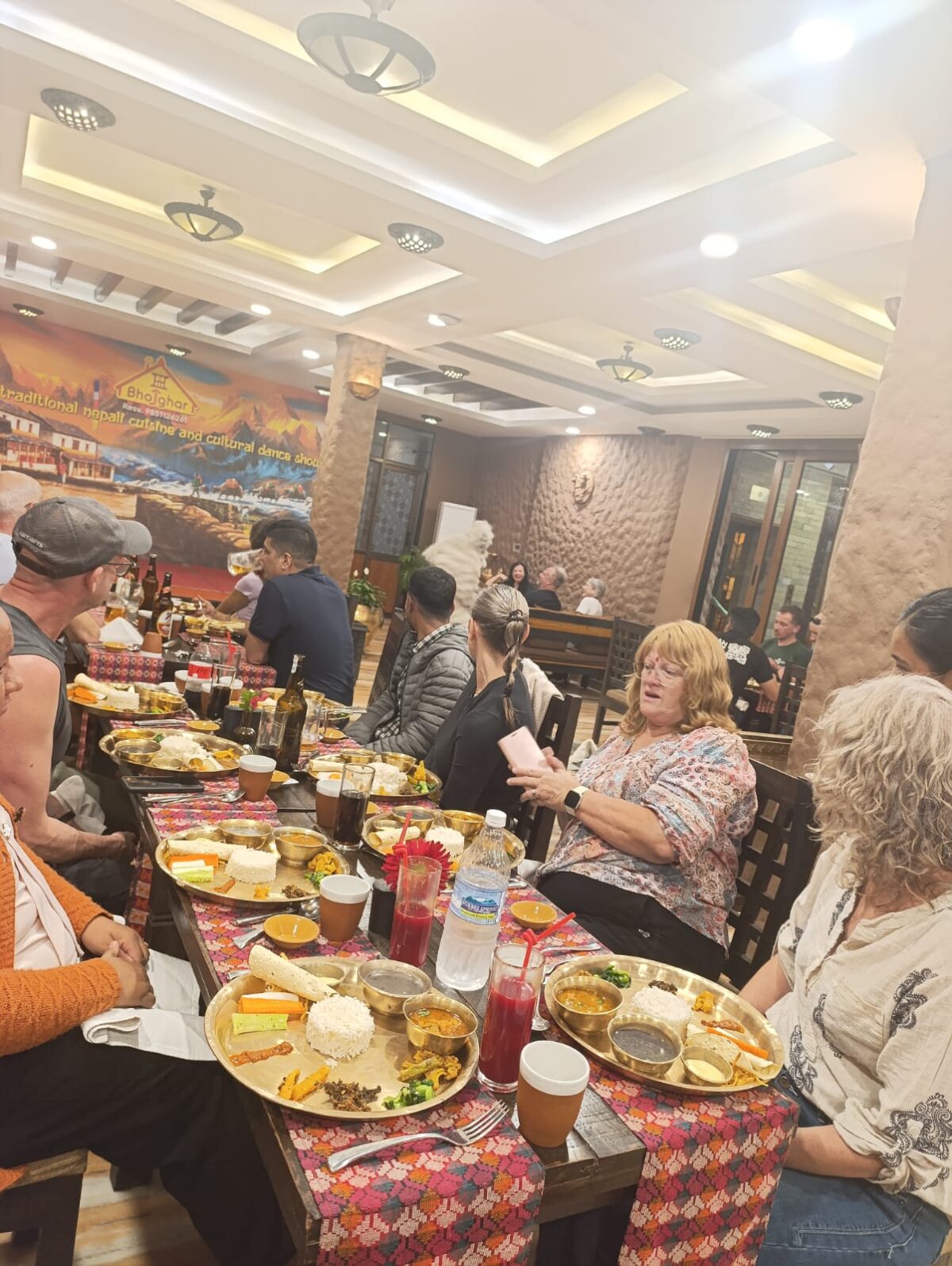
- Try different type traditional Nepali cuisines
- Experience the distinct culture of the Newars (native of Kathmandu valley) by taking a stroll around the city and observing the lifestyle of Nepalis on the streets of Kathmandu.

Need help? Talk to travel expert
Trip Overview of Kathmandu Valley Day Tour-1 day
The Kathmandu Day Tour is also known as the Kathmandu City Tour, offers a unique cultural exploration within the Kathmandu Valley. This tour focuses on four major UNESCO-listed heritage sites, including Kathmandu Durbar Square (also known as Basantapur Durbar Square), Swayambhunath, Bouddhanath and Pashupatinath which are situated in Kathmandu.
This tour offers a comprehensive exploration of Kathmandus’s most iconic landmarks with providing a blend of spiritual, historical and cultural experiences.
The Kathmandu Valley has its own history how Kathmandu valley forms. The great bodhisattva Manjushree transformed the lake into a valley by cutting off the Chobhar hill (a mythological story regarding the formation of Kathmandu). After the land was created, it was embedded in the Nepalese generational stories. This one day tour offers a unique opportunity to explore the heart of Nepal’s historical practices ,awe-inspiring architecture and enriched cultural history.
If you are planning to visit Nepal and staying in Kathmandu, we highly recommended that you take a City Tour for in-depth insights. If you have just a couple days, you can explore three separate historical and cultural cities in the Kathmandu Valley: Kathmandu-Patan and Bhaktapur Tour, Pilgrimage Tour. Join Hike Holiday Treks for customised travel plans to make your stay in Kathmandu truly memorable!
Comprehensive Overview
A one day Kathmandu Valley Tour, where you can visit the four popular UNESCO World Hertiage site, which shows the integrated fusion of Hindus and Buddhists culture and traditions which influenced the Nepal’s spiritual and cultural identity.
The four places you explore on Kathmandu Valley one day Tour are:
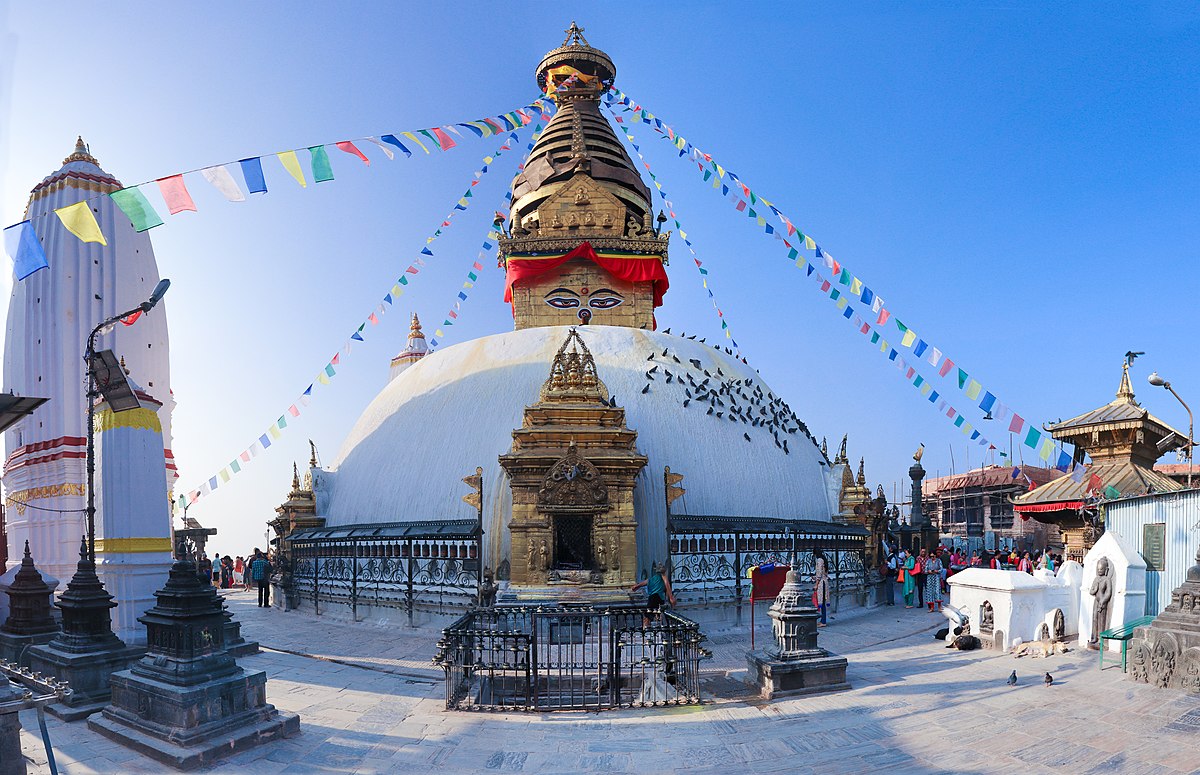
Swayambhunath Stupa(Monkey Temple)
After the breakfast , you will start your sightseeing tour from visiting to Swayambhunath Temple, which is the Buddhist pilgrimage situated at the elevation of 2200 meters. The temple offers the alluring views of the Kathmandu valleys. It is believed that the monkey temple have been established by the early Mallas period which symbolize the union of wisdom and method according to Buddhist Philiosophy.
Swayambhunath is a complex that comprises a shrine, temple, and stupa that dates back to the Lichihavi period. It offers a unique blend of Buddhism, as it is a place of worship for both Newar Buddhism and Tibetan Buddhism. Hindus also cherish it. Swayambhunath Stupa is called the Monkey Temple Nepal due to the large population of monkeys freely inhabiting its forested hills. The monkeys are integral to the temple’s environment and constitute one of its unique aspects.
On the occasion of Buddha Jayanti and Lhosar(The Tibetan New Year), the stupa becomes a hub of religious ceremonies and pilgrimages. Thousands of devotees from Nepal and Tibet come to offer prayers, lighten the lamps and perform the puja. The surrounding is very spiritual and full of devotion.
Kathmandu Durbar Square/ Basantapur Durbar Square
After visitng the Swayambhu stupa , our next destination is Kathmandu Durbar Square, Nepalese royal palace enlisted in UNESCo Heritage site . This place shows the history of Malla Dynasty back to the 12th century. It has many named like Basantapur Durbar Square, Hanuman Dhoka Palace which named after the Hindu god Hanuman. The Kathmandu Durbar Square is also the home to sacred sites like Kumari Ghar where the living goddess the Kumari lived there, Taleju Bhawani Temple , Kasthamandap another attraction made up from a single tree, a large stuate of Kaal Bhairav and Lord Hanuman.
Kathmandu Durbar Square is an architectural treasure as well as cultural and traditional center. The main festival celebrate in this place is Indra Jatra, held in September, which comes alive with vibrant procession, traditional dances, and the chariot of Kumari. The buildings there are decorated with intricately carved facades that are typical of Newar architecture. The central square is surrounded by palace complexes that were built during the Malla and Shah periods.
Pashupatinath Temple: Sacred Hindu Pilgrimage Site
The Next destination of tour is Pashupatinath Temple, situated on the bank of the Bagmati river is the one of Holiest sites for Hindus. This temple is enlisted in UNESCO world heritage site. This sacred temple is dedicated to Lord Shiva which is the oldest abd most important Hindu temple of Nepal. The temple is built in the Nepali pagoda style of architecture and its exact date of construction is unknown. However, the present structure was built in 1692 CE and is dedicated to Lord Shiva, one of the three holy trinity gods in Hindu mythology. The ornamented pagoda contains the linga of Shiva.
The sacrosanctum, which is the main idol, is a stone Mukhalinga with a silver yoni base bound by a silver serpent. Only four priests are allowed to touch the idol. The daily rituals of Pashupatinath are carried out by two groups of priests: the Bhatta and the Rajbhandari. It is also famous for cremating people according to Hindu culture and tradition.
Many devotees across the world came to visit the Pashupatinath temple on the occasion of Maha Shivarati festival. This temple is also the home of various shrines dedicated to different manifestations of Lord Shiva, includind the iconic golden Nandi(the bull) statue at the entrance of main temple.
Boudhanath Stupa: A Center of Buddhist Pilgrimage
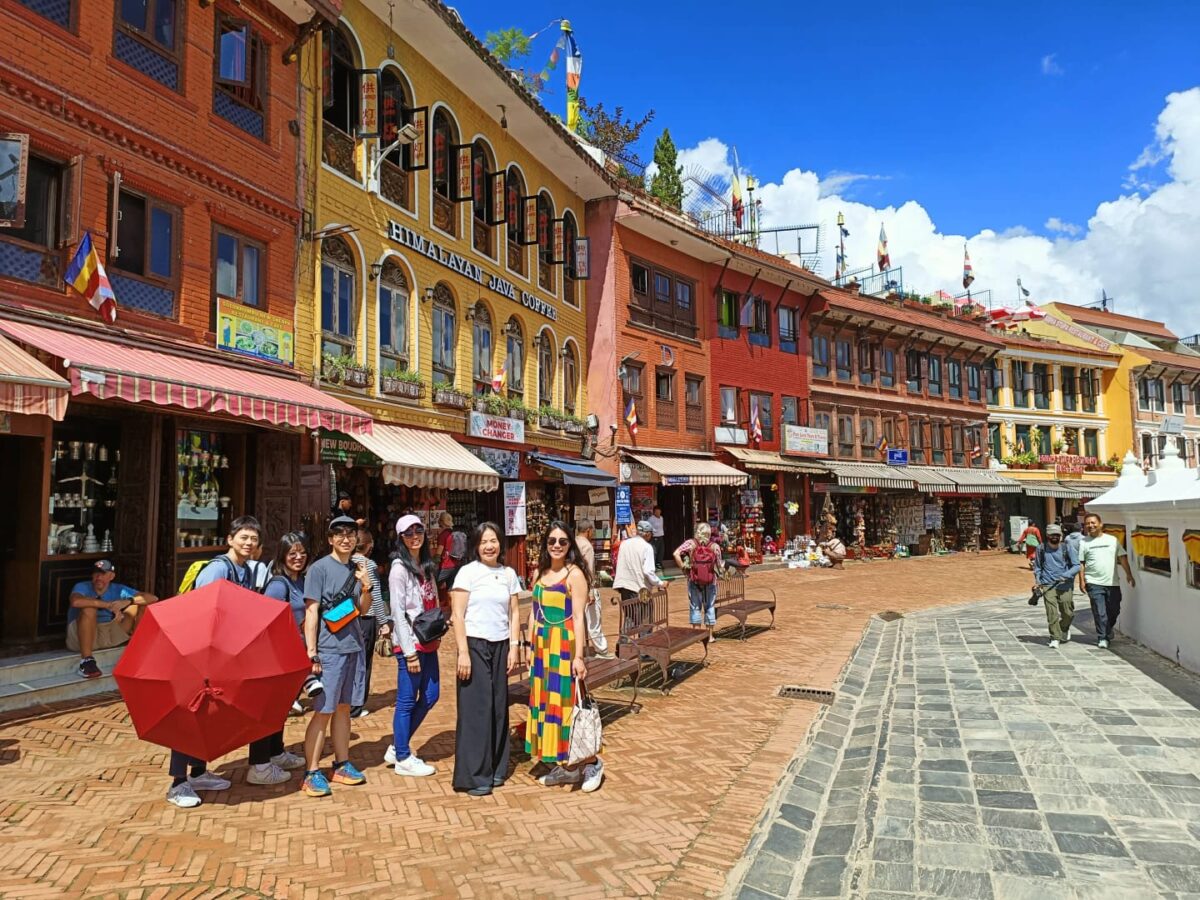
After the tour of Pashupatinath temple our final destination is Boudhanath Stupa, one of the largest and most significant Buddhist Stupas in the world. The stupa is situated at the heart of Kathmandu Valley.
His stupa in Kathmandu is on the UNESCO World Heritage list. Every year, thousands of pilgrims and visitors travel to the white dome structure to see the Buddha eyes, coloured flags, and tranquil ambiance. It is regarded as one of the most photographed and spiritually significant sites in Asia.
The stupa is surrounded by 108 prayer wheels, which each inscribed with mantras when spun, are believed to bring a good karma and purification of mind. The pilgrims and visitors walk clockwise around the stupa, spinning the prayer wheels with reciting mantras in the form of prayer and devotion. There are many monasteries and smaller stupas which adds the vibrant and spiritual surroundings in Boudhanath Stupa. The colourful flags breeze by the stupa shows the slience peace and chanting environment.
Trip Photo & Video Gallery
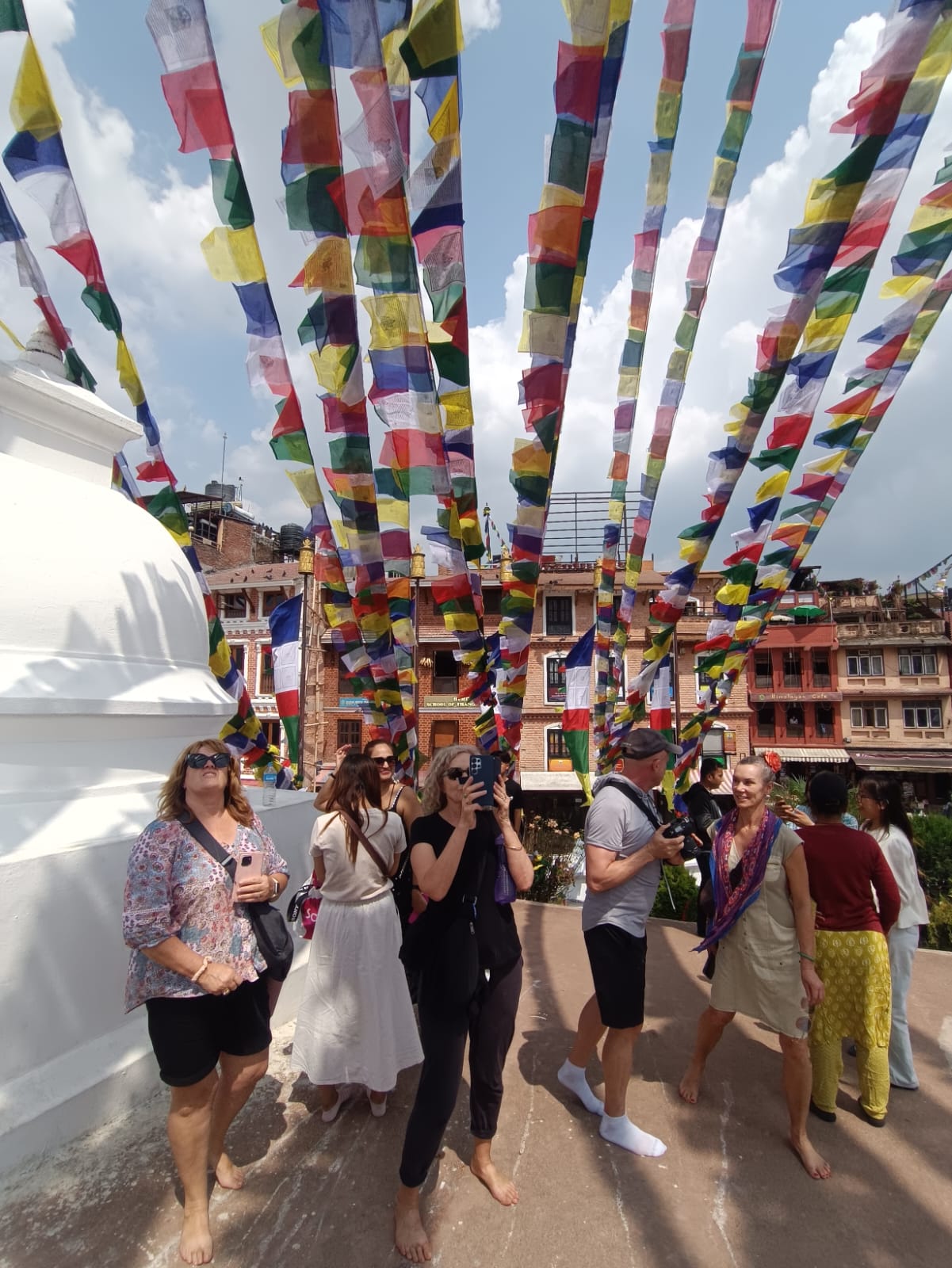
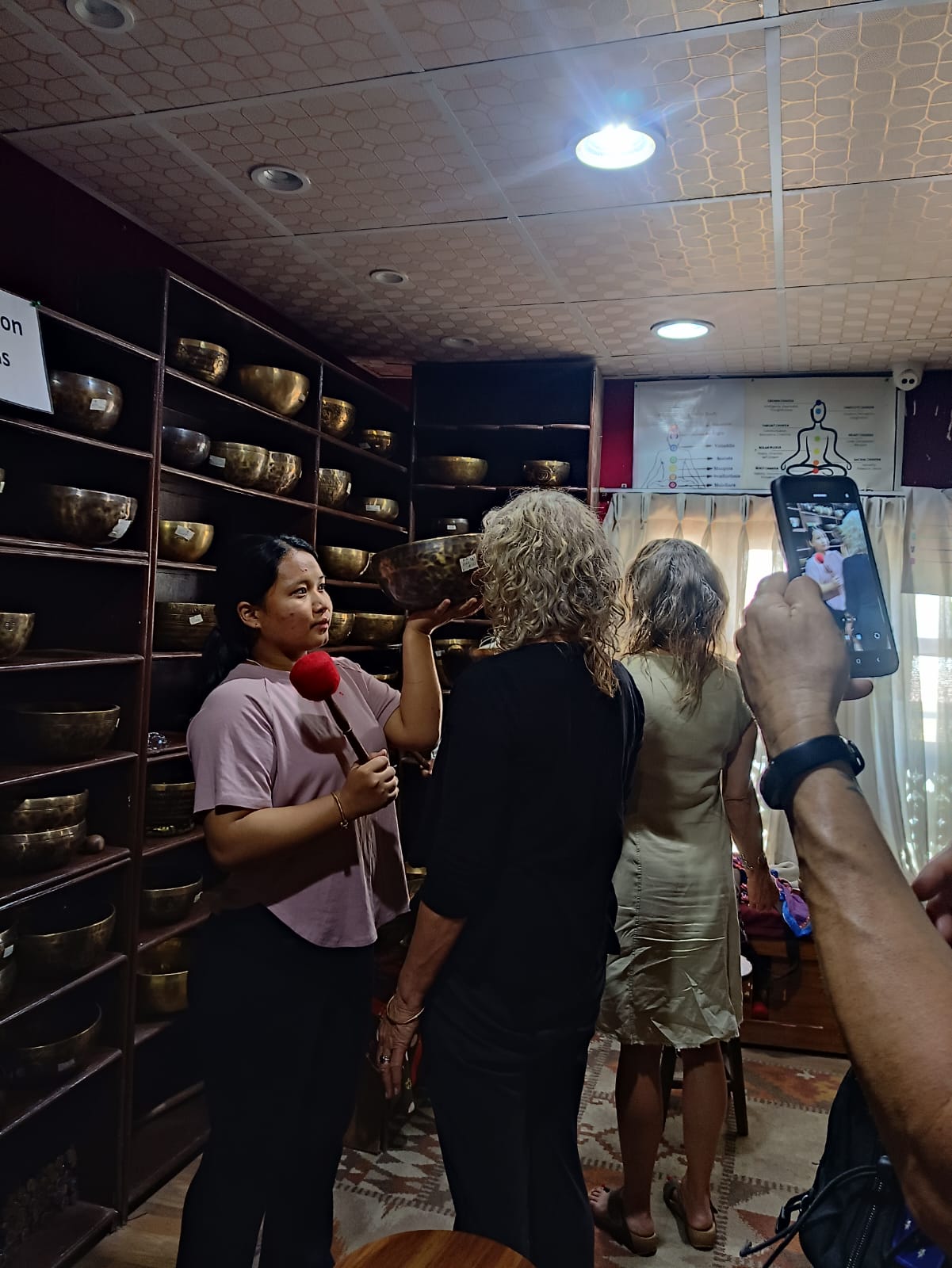
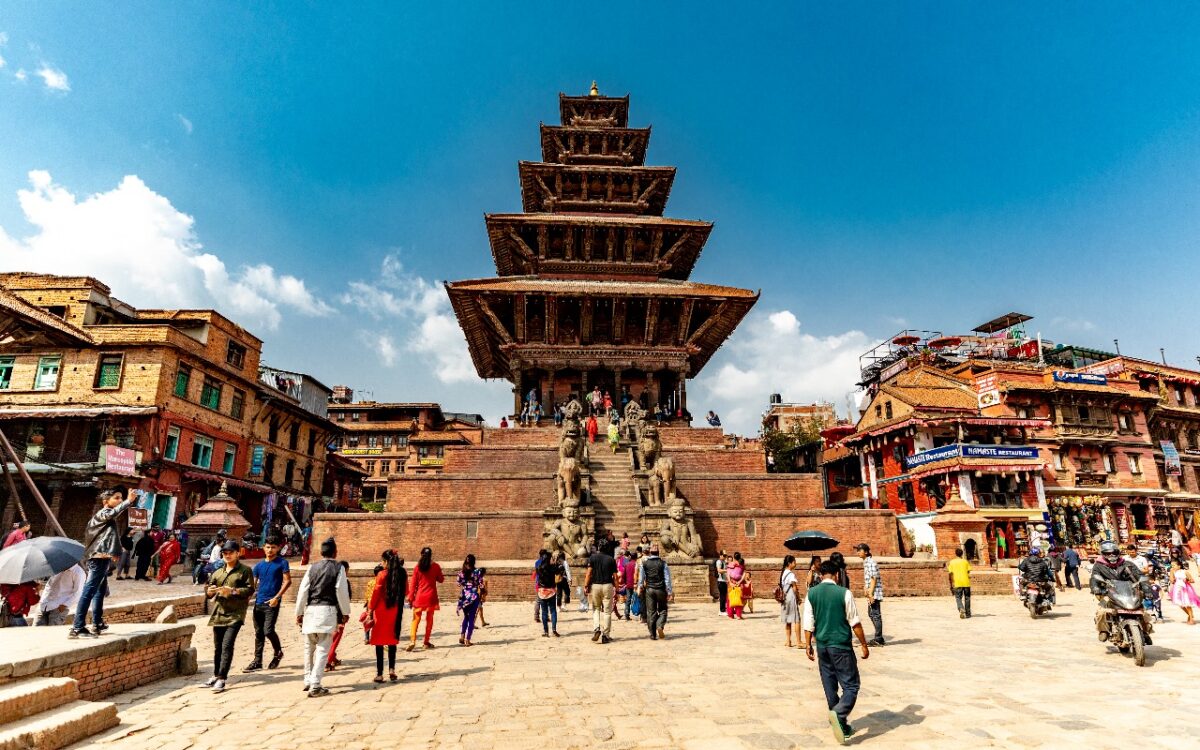
Detail Itinerary of Kathmandu Valley Day Tour-1 day
Day 01: Explore Swyanbhunath, Kathmandu Durbar Square, Pashupatinath Temple and Bouddhanath Stupa, Duration: 6-7 hours
The day start with your pickup from your hotel to our first destination which is Swayambhunath temple, named as Money Temple. To reach the hilltop of Stupa you have to climb the 365 uphill stairs, you will be mesmeriser with the stunning vista of kathmandu valley and its surrounding mountains. Following the Buddhist tradition, your visit journey begins from the clockwise direction, enjoying the panoramic views of the Kathmandu Valley. It is a holy place for Hindus and Buddhists.
After that we continue our journey to Kathmandu Durbar Square, . In this site we can visit the Hanuman Dhoka Palace , Hanuman Statue, Sacred Kumaru Ghar where you can see the live kumari goddess, Kasthamandap, Taleju Bhawani, Kal Bhairav and Swet Bhairav(which door just open during the festival of Indra Jatra for 7 days).
Thenafter we stop for a lunch break and after lunch you will drive to the next destination , Pashupatinath Temple, a significant religious site for Hindus with a pagoda-style temple dedicated to Lord Shiva. There are exquisite pagoda-style temples, statues,painting inside the temple. This temple is located at bank of Bagmati river where you can witness the cremation ritual of people according to Hindu culture. Besides that there is many small temples surrounded near Pashupatinath temple.
As a final destination of Kathmandu one day tour you will visit the one of the important sacred Buddhist site which is Boudhhanath Stupa. At the entrance of the stupa we can see the two eyes staring at you above the white dome which witness the love , affection and devotion of god. You can spin the prayer wheels clockwise wghich gives you the peace and spiritual feels. You can see the prayer halls, Tibetan monasteries.
After visiting the Boudhhanth our tour ends here. Your guide will transfer you to your hotel with collecting the memorable day of cultural and spiritual exploration of Kathmandu Valley.
Activity & Duration
6-7 hours sightseeing tourHighest Altitude
1400m. (Kathmandu)Includes and Excludes
What is included?
- All ground transportation for Kathmandu valley day tour in a private vehicle
- Experienced and professional tour guide
- All entrance fees for the sites
What is excluded?
- Hotel accommodation in Kathmandu
- Tips for guide and driver
- Lunch and other personal snacks

Trip Reviews on Kathmandu Valley Day Tour-1 day


US$ 140 for min 3 person
- 1 - personUS$ 140
- 2 - 4 personUS$ 90
- 5 - 10 personUS$ 75
- 11 over 9999 US$ 60
- Guaranteed Best Prices
- Safe Online Bookings
- Adjustable Booking Dates
- Owner operated company
- Many Years of Experience
US$ 140
Talk to travel expert  +9779851352528
 +9779851352528
Related Trips
 06 Nights 07 Days
Nepal Explore Tour-7 Days
 06 Nights 07 Days

