

Langtang Gosaikunda Trek- 16 days


16 Days
Trip Duration
Difficulty
Moderate
Activities
Trekking
Group Size
Min 1 People
Max. Altitude
5050m./16568ft.
Destination
Nepal
Meals
- 16 Breakfast
- 14 Lunch
- 14 Dinner

Accommodation
- 3-star hotel in Kathmandu
- Teahouses during Trekking

Transportation
- Private Vehicle

Highlights of Langtang Gosaikunda Trek- 16 days
- Trek through deep dense alpine forests and Himalayan riverside
- Witness stunning snow-capped mountains as you navigate further through dense forest and clearings
- Experience the cultural bliss of Tamang and Tibetan communities of Langtang and Helambu region
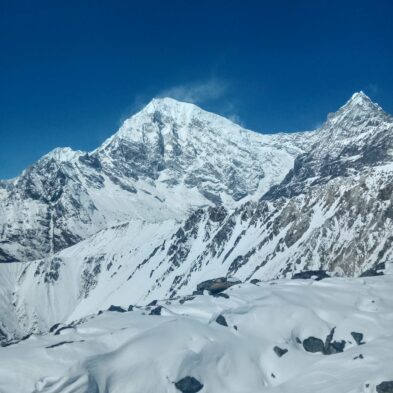
- Summit the Chorkari Ri at 5050 meters and take in the closeup and all-encompassing sights of Langtang range
- Find solace in the serene beauty and deep religious significance of Gosainkunda Lake
- Get awed by the diverse flora and fauna of the region and frequent sightings of Yaks
- Visit the Yak Cheese factory of Shin Gompa

Need help? Talk to travel expert
Trip Overview of Langtang Gosaikunda Trek- 16 days
Join the Hike Holiday team for an extraordinary adventure in the heart of northern Nepal with the Langtang Gosainkunda Trek. A perfect blend of two breathtaking Himalayan destinations, this journey takes you through the enchanting Langtang Valley, a loved destination among novice trekkers. It offers the chance to explore the sacred Gosainkunda Lake, a site of profound religious significance.
The Langtang Gosaikunda Trek is an amazing 16-day journey that elevates you to breathtaking heights, where the awe-inspiring beauty of nature surrounds you at every turn. With its stunning landscape of snow-capped peaks, pristine lakes, and vibrant Tibetan-influenced cultures, walking in Langtang Valley is truly a sublime experience.
This journey offers a rich cultural experience for those interested in remote mountain communities. The area is primarily home to Tamang and Tibetan communities whose way of life will provide a unique perspective on life. Buddhism is the predominant faith in the region, which is evident through various religious symbols along the trails, such as chortens, gumbas, prayer flags, and mani walls, which reflect the local spiritual traditions.
The journey is full of unique experiences as trekkers get to follow the shepherd’s path and some of the well-preserved and abandoned settlements in the Langtang and Helambu regions. It entails walking through rugged and steep paths through alpine forests, yet it is suitable for beginners as well. In terms of difficulty, it is a moderate trek. Elevation gain is gradual and requires reaching an ultimate height of 5050m at Chorkari Ri, so care and attention are crucial.
Route overview of Langtang Gosaikunda Trek
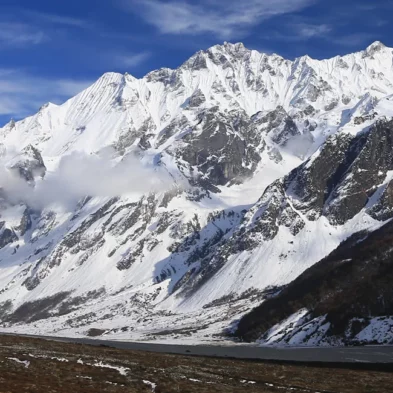
Starting and ending in Kathmandu, the journey begins with a drive to Syabru Bensi, followed by several days of hike in the Langtang region exploring various hamlets of Lama Hotel, Mundu, and Kyanjin Gompa. Kyanjin Gompa, nestled at the lap of the Langtang range, offers stunning mountain scenery up close.
Also, the hike to Chorkari Ri (5050 m), only elevates your view of the Langtang range. The journey from their onwards descends to Thulo Syabru bypassing Lama Hotel, before continuing to Shin Gompa for the next leg of the journey.
From Shin Gompa, the journey follows the trail to Gosaikunda Lake, a sacred alpine lake revered by both Hindu and Buddhist followers. Situated at an altitude of 4,380 meters, this pristine lake is surrounded by rugged mountains and offers a tranquil yet awe-inspiring atmosphere. Then, the journey requires crossing the challenging Laurebinayak Pass located at an altitude of 4681 m.
Trekking through several villages in the Helambu region, another prominent town of the Tamang community, the journey concludes with a return to Kathmandu via Melamchi. The next day, you are driven to the airport for your departure, with full of unforgettable memories which ends of the Langtang Gosaikunda adventure.
Alternative Treks for Langtang Gosaikunda
Did the trip seem too long? It’s okay! Let’s have a look at some alternative routes.
The first choice is the Langtang Valley trek 10-day magnificent excursion that does not include a visit to Gosaikunda Lake. The hike allows you to explore the valley in a more relaxed and thorough manner.
Second, we have the Helambu Trek- 9 days journey will take you away from the tourist trail and allow you to interact with nature in tranquilly. It’s a lesser-known route in the Langtang region that offers an authentic cultural experience.
All of our hiking packages are exceptional and provide unique experiences. Regardless of which package you select, we will ensure that your visit to Nepal is the best vacation of your life.
Best time for the Langtang Gosainkunda trek
When planning a trek to Langtang Gosaikunda, the weather is the most important consideration. Spring and autumn are ideal seasons for an easy walk with stunning mountain views. The trek locations are cold in the winter due to snowfall, whilst the summer rain makes the paths slippery and soggy.
January – February
This is the coldest season, particularly between early January and early February. As the temperature drops, the mountains see significant snowfall. The day will be pleasant and beautiful with clear skies, but the night will be frigid. The trek will be difficult, but you will be rewarded with breathtaking vistas of snow-capped hills and mountains.
March – April
It’s one of the ideal times for exploring Langtang and Gosaikunda. The weather is ideal, and you may enjoy breathtaking views of the Langtang Lirung, Langtang II, and other mountains. Temperatures begin to rise in mid-March, and many trekkers opt to visit the Langtang Gosainkunda region around this time. The lush green, dense bamboo, and birch forests enhance the overall trekking experience.
May – June
This is also a fantastic period for trekking, as it occurs just before the monsoon season. Rainfall in Nepal occurs from the end of June until the middle of August. The spring-summer season makes the journey even more enjoyable.
July – August
During this season, rainfall peaks and clouds appear often. The trails will become treacherous, but trekking can still be enjoyable owing to the stunning waterfalls, raging rivers, and frequent rainbows.
September – October
It’s another perfect time for the Langtang Gosaikunda trip. As the rain gradually ends, a superb trekking climate emerges. The temperature rises to 20 degrees during the day and drops to 5 degrees at night. Most trekkers like walking during these months because the sky is clear, providing excellent vistas of the mountains. We strongly recommend this time for the Langtang Valley walk, particularly between the middle and end of September. Nepal’s two greatest festivals, Dashain and Tihar, also fall in these months.
November – December
As winter sets in, snowfalls occur in the Langtang region, which makes trekking more challenging. Trekking is still possible in November, thanks to the clear skies. The mountains seem lovely under bright sky, but as December begins, temperatures drop. The nights can be frigid, with temperatures as low as -5 degrees Celsius.
Acclimatization
Your 16-days Langtang Gosaikunda Trek program includes two nights at elevations above 3500 metres, when you may experience altitude sickness, also known as acute mountain sickness. We’ll be acclimating to Kyanjin Gompa. While acclimatising in Kyanjin Gompa, we will visit the monastery, the cheese factory, and trek to the Tserko Ri Viewpoint.
Altitude sickness is common among trekkers, but severe altitude sickness requires rapid care and should not be ignored. Our trek leaders and guides have had thorough first-aid training and are highly experienced. We urge you to notify your group leader and guide as soon as you see any symptoms.
Your guide will provide altitude sickness precautions. The best way to prevent altitude sickness is to hike slowly and drink plenty of water(at least 4 litres per day). If the altitude sickness is severe, the only solution is to descend immediately.
People and their culture
The main residents of this valley are Tamang, Sherpa. The culture of these ethnic groups is comparable to Tibetan culture. These people’s cultures are reflected in their homes, monasteries, chortens, and gumbas. The valley is full with traditions, culture, customs, rituals, and unique life perspectives. The Langtang Gosainkunda Trek offers an opportunity to discover the region’s fine etiquettes.
Kyanjin RI
Kyanjin Ri is an excellent place to view the beautiful Langtang mountain range. It is at an elevation of 4,328m and difficult to reach the top of the hill. Furthermore, reaching the summit of the hill is a major highlight of the walk. However, after you reach the summit of the hill, you will be able to witness the beautiful views of Langtang Lirung (7,227m), Changbu (6,251m), Yubra (6,262m), Naya Kanga (5,844m), Yala peak (5,500m), Tserko Peak (5,749m), and Tsergo Ri (4,948m).
Furthermore, hiking to Tsergo Ri is fascinating. The journey to the stunning Kyanjin Ri begins in the picturesque village of Kyanjin Gompa. Gompa defines as a monastery, and while the village is called Kyanjin Gompa, it is not a monastery. There is a Gompa, where locals conduct their rituals and celebrate festivals.
Less Crowd
If you do not enjoy crowds, this trail is ideal for you. There are few trekkers in this region, therefore you can enjoy much more than other hikes in Nepal. You get to engage with more people and learn more about the location and culture. So, if you’re searching for a doorway to get away from the crowds, consider the Langtang Valley Trek.
Trip Grade
The Langtang Gosaikunda Trek is simple and rewarding. The hiking period will vary from 3-6 hours per day, depending on the destination, with several rests to admire the mountain vistas. The trek itineraries include of long climbs, steep descents, and steep forward pathways via rocky slopes and woodlands. So, the more fit you are, the more comfortable and delightful your trip will be. Trekking experience is preferred, but not needed. We do not recommend this walk for people who have delicate medical issues like heart or lung disease.
Electricity and battery recharging, water during walking.
Throughout the guesthouses at Langtang Gosaikunda Trek, electricity for camera and mobile battery recharge is offered at an additional cost .During the trip, you can purchase packed mineral water at small lodges and en-route shops, or fill your water bottle with boiled water for an additional cost. If required, we can give a water purification tablets.
Detail Itinerary of Langtang Gosaikunda Trek- 16 days
Day 1: Arrival at Tribhuvan International Airport (KTM), Kathmandu
Your adventure begins as you arrive at Tribhuvan International Airport in Kathmandu. At the airport, you will be greeted by our representative and transferred to your hotel. Take the rest of the day to relax and recover from your journey.
Activity & Duration
30 mintues driveHighest Altitude
1335m. (Kathmandu)Meals
Breakfast includedAccommodation
3-star hotelDay 2: Drive from Kathmandu to Syabru Bensi (1,460m)
After an early breakfast, you’ll embark on a scenic drive from Kathmandu to Syabru Bensi, the starting point of your trek. The journey takes around 7-8 hours and offers breathtaking views of terraced fields, lush forests, and distant Himalayan peaks. As you drive along the Trishuli River, you’ll pass through picturesque villages and have the opportunity to get a glimpse of rural Nepalese life. Upon arrival in Syabru Bensi, you’ll settle into your lodge and rest for the day.
Activity & Duration
6-7 hours driveHighest Altitude
1460m. (Syabrubesi)Meals
Breakfast, Lunch and Dinner includedAccommodation
Overnight at GuesthouseDay 3: Trek from Syabru Bensi to Lama Hotel (2,470m)
Your trek officially begins today as you leave Syabru Bensi behind and take the trail along the Langtang Khola River. The path gradually ascends through dense forests of oak, rhododendron, and bamboo, offering chances to spot local wildlife such as red pandas and monkeys. You’ll cross several suspension bridges and pass through small settlements before reaching the Lama Hotel, where you’ll rest for the night.
Activity & Duration
5 hours hikeHighest Altitude
2470m. (Lama Hotel)Meals
Breakfast, Lunch and Dinner includedAccommodation
Overnight at GuesthouseDay 4: Lama Hotel to Mundu (3,550m) via Langtang Village
Today’s trek takes you deeper into the Langtang Valley as you continue to ascend through the forested trail. The landscape gradually changes as you approach Langtang Village. Some sections are steep and narrow, requiring trekkers’ complete attention and care. After a short rest in Langtang Village, you’ll continue to Mundu, a small village surrounded by stunning mountain views. On the way, you will notice trails of mani walls, gumbas, and chortens along the route to Mundu.
Activity & Duration
5-6 hours hikeHighest Altitude
3550m. (Mundu)Meals
Breakfast, Lunch and Dinner includedAccommodation
Overnight at GuesthouseDay 5: Mundu to Kyanjin Ri (4,773m/15,655ft) and back to Kyanjin Gompa (3,798m/12,495ft), Duration: 7-8 hours
The trek from Mundu to Kyanjin Gompa is relatively short but packed with incredible scenery. As you make your way towards the sacred monastery, you’ll pass by yak pastures, and ancient towns, all set against the backdrop of towering snow-capped peaks. Upon reaching Kyanjin Gompa, you’ll have the afternoon to explore the area, visit the monastery, and we have a short hike to Kyanjin ri and return back to Kyanjin Gompa and acclimatize to the higher altitude.
Activity & Duration
7-8 hours hikeHighest Altitude
4773m. (Kyanjin Ri)Meals
Breakfast, Lunch and Dinner includedAccommodation
Overnight at GuesthouseDay 6: Exploration Day and Climb to Chorkari Ri (5,050m): Duration-7 hours
Today is an exciting day as you set out to explore the surrounding area and take on the challenge of summiting Chorkari Ri, the highest point of the trek. The climb is strenuous but rewarding, offering panoramic views of the Langtang range, including Langtang Lirung, Dorje Lakpa, and many other peaks. After soaking in the breathtaking vistas, you’ll descend back to Kyanjin Gompa for a well-deserved rest.
Activity & Duration
7 hours hikeHighest Altitude
5050m. (Chorkari ri)Meals
Breakfast, Lunch and Dinner includedAccommodation
Overnight at GuesthouseDay 7: Kyanjin Gompa to Lama Hotel - During 5-6 hours
After the exhilarating experience of Chorkari Ri, you’ll retrace your steps back to Lama Hotel. The descent is easier and faster, allowing you to fully appreciate the beauty of the valley and the surrounding forests one more time.
Activity & Duration
5-6 hours hikeHighest Altitude
2500m. (Lama Hotel)Meals
Breakfast, Lunch and Dinner includedAccommodation
Overnight at GuesthouseDay 8: Lama Hotel to Thulo Syabru (2,230m): Duration-5-6 hours
Leaving the Langtang Valley behind, you’ll descend to Thulo Syabru. Thulo Syabru is majorly inhabited by Tamang communities so you will get a chance to get a glimpse into their rural and traditional lifestyle. The trail also offers stunning views of the Ganesh Himal and other nearby peaks.
Activity & Duration
5-6 hours hikeHighest Altitude
2230m. (Thulo Syabru)Meals
Breakfast, Lunch and Dinner includedAccommodation
Overnight at GuesthouseDay 9: Thulo Syabru to Shin Gompa (3,330m): Duration-4-5 hours
Today, you’ll continue your ascent as you trek from Thulo Syabru to Shin Gompa, also known as Chandan Bari. The trail takes you through lush forests of pine and rhododendrons, with occasional glimpses of Langtang and Ganesh Himal. It is a slight uphill walk as you will be gaining elevation once more. Upon reaching Shin Gompa, you’ll visit the famous monastery and explore the nearby cheese factory, where you can sample some of the local yak cheese. Yak Cheese is a famous delicacy of this region and tasting some cheese is a must.
Activity & Duration
4-5 hours hikeHighest Altitude
3330m. (Shin Gompa)Meals
Breakfast, Lunch and Dinner includedAccommodation
Overnight at GuesthouseDay 10: Shin Gompa to Gosaikunda (4,380m): Duration-5-6 hours
This day marks the spiritual highlight of your trek as you make your way to the sacred Gosaikunda Lake. The trail gradually climbs through alpine landscapes, with views of snow-covered peaks becoming more prominent as you gain altitude. Upon reaching Gosaikunda, you’ll be greeted by the serene beauty of the lake, surrounded by rugged mountains. The lake holds great religious significance, and you can spend time in quiet reflection or simply take in the breathtaking surroundings.
Activity & Duration
5-6 hours hikeHighest Altitude
4380m. (Gosaikunda)Meals
Breakfast, Lunch and Dinner includedAccommodation
Overnight at GuesthouseDay 11: Gosaikunda to Ghopte (3,430m) via Laurebinayak Yak Pass (4380m) : Duration-6 hours
After experiencing the spiritual ambiance of Gosaikunda, you’ll set out early to cross the Laurebinayak Yak Pass, the highest point of this section of the trek. The pass offers incredible views of the surrounding peaks and valleys. After crossing the pass, you’ll descend towards Ghopte, a small settlement nestled in the forest. The trail can be challenging, but the diverse landscapes make it an unforgettable day.
Activity & Duration
6 hours hikeHighest Altitude
3430m. (Ghopte)Meals
Breakfast, Lunch and Dinner includedAccommodation
Overnight at GuesthouseDay 12: Ghopte to Melamchigaon (2,530m): Duration-6-7 hours
Today’s trek takes you through dense forests and rugged terrain as you make your way to Melamchigaon. The trail is a mix of ascents and descents, with occasional clearings offering views of the surrounding mountains. Melamchigaon is a traditional village inhabited by the Hyolmo, Tamang, Sherpa, and a few other ethnic groups. You’ll have the opportunity to explore the village and learn more about the local way of life.
Activity & Duration
6-7 hours hikeHighest Altitude
2530m. (Melanchigaon)Meals
Breakfast, Lunch and Dinner includedAccommodation
Overnight at GuesthouseDay 13: Melamchigaon to Tarkeghyang (2,590m): Duration-5-6 hours
From Melamchigaon, you’ll continue your trek towards Tarkeghyang, one of the largest and most beautiful villages in the Helambu region. The trail passes through forests, streams, and small settlements, offering a mix of natural beauty and cultural encounters. Upon reaching Tarkeghyang, you’ll be welcomed by the sight of traditional stone houses and ancient monasteries. The village is known for its rich cultural heritage, and you’ll have the chance to interact with the locals and experience their way of life.
Activity & Duration
5-6 hours hikeHighest Altitude
2590m. (Tarkeghyang)Meals
Breakfast, Lunch and Dinner includedAccommodation
Overnight at GuesthouseDay 14: Tarkeghyang to Sermathang (2,610m): Duration-3-4 hours
Leaving Tarkeghyang, you’ll trek towards Sermathang, another picturesque village in the Helambu region. The trail is relatively easy and offers stunning views of the Himalayas, including the Jugal Himal range. As you approach Sermathang, you’ll pass through terraced fields, forests, and small hamlets.
Activity & Duration
3-4 hours hikeHighest Altitude
2610m. (Sermathang)Meals
Breakfast, Lunch and Dinner includedAccommodation
Overnight at GuesthouseDay 15: Sermathang to Melamchi Pul Bazaar – Drive to Kathmandu: Duration-3-4 hours hike and 2 hours drive
On the final day of your trek, you’ll descend from Sermathang to Melamchi Pul Bazaar, a bustling market town situated on the banks of the Melamchi River. The trek takes you through terraced fields, forests, and traditional villages, offering a final glimpse of the region’s natural beauty. Upon reaching Melamchi Pul Bazaar, you’ll board a vehicle for the drive back to Kathmandu. The journey takes around 4-5 hours, and once you arrive in the city, you’ll be transferred to your hotel for some well-deserved rest.
In the evening you will join the farewell dinner hosted by HHT with receiving the achievement certificate of your trekking journey to Langtang Gosaikunda Trek .
Activity & Duration
3-4 hours hike and 2 hours driveHighest Altitude
1335m. (Kathmandu)Meals
Breakfast, Lunch and Dinner includedAccommodation
3-star hotelDay 14: Departure
Your incredible journey comes to an end today. Depending on your flight schedule, a representative from our team will meet you at the hotel approx. 3 hours before your flight time to transfer you to Tribhuvan International Airport for your departure. We will say our goodbyes and look forward to our next journey together in the Himalayas of Nepal.
Activity & Duration
30 mintues driveHighest Altitude
1335m. (Kathmandu)Meals
Breakfast includedIncludes and Excludes
What is included?
- Airport Pickup and drop off by private car.
- Two nights’ accommodation with breakfast at a 3-star category hotel in Kathmandu
- Transfer from Kathmandu to Sybrubensi by bus and Melamchi to Kathmandu by private car.
- Three daily meals with tea/coffee (breakfast, lunch, and dinner) during the trek
- Best available twin-sharing lodge for accommodation during the trek
- Snacks of seasonal fruits during the trek
- One highly experienced, helpful, and friendly guide. Porters (1 porter for 2 people) and their food, accommodation, salary, and equipment. Accident insurance for all staff
- Hike Holiday Treks Duffle bag , Down jacket and sleeping bag use while trekking
- Hike Holiday Treks T-shirt, trekking map, and trip achievement certificate
- A farewell dinner after completion of trekking
- First aid medicine kit
- Langtang National Park Permit fee
- Government taxes & office service charge
What is excluded?
- Meals not specified in the ‘Meal Inclusions’ in the above itinerary
- Personal Travel insurance
- International airfare
- Nepal entry visa. You can obtain a visa easily upon your arrival at Tribhuwan International Airport in Kathmandu. A multiple-entry tourist visa good for 30 days can be obtained by paying US $ 40 or the equivalent in foreign currency. Similarly, multiple-entry tourist visas for 90 days can be obtained by paying US $ 100. Please bring 2 passport-size photos.
- Soft drinks, including water
- Private Jeep from Kathmandu to Sybrubensi, which costs USD 150 extra.
- Snacks and other personal expenses
- Hot showers during the trek
- Personal trekking equipment
- Tips and gratuities for trekking staff and drivers

Trip Reviews on Langtang Gosaikunda Trek- 16 days


US$ 940 for min 3 person
- 1 personUS$ 970
- 2 - 5 personUS$ 940
- 6 - 10 personUS$ 890
- 11 over 9999 US$ 840
- Guaranteed Best Prices
- Safe Online Bookings
- Adjustable Booking Dates
- Owner operated company
- Many Years of Experience
US$ 970
Talk to travel expert  +9779851352528
 +9779851352528